
India is in the best decade its healthcare businesses have ever had. Family offices, doctors, lenders and government schemes are all looking for places to put capital into this sector. What stops most Hospitals and Clinics is not a shortage of money. It is that they are not yet in a shape an investor can assess. We fix that, then bring the capital.
Proprietorship, informal books, no valuation
Clean numbers, clear need, nobody to call
Capital plus someone to do the work with you
In the next two to five years
More than one kind of money is available, each with its own appetite, speed and price. Knowing which one fits your situation is half the job, and it is rarely the one your bank offered.
Looking for steady returns from real businesses, and tired of choosing between a fixed deposit and the equity markets.
Senior clinicians with capital who understand these businesses. They read a Hospital the way you do, so they get comfortable faster.
Facilities designed around how these businesses actually earn. Cheaper than equity, and you keep every share you own.
Real capital exists for healthcare infrastructure in India. Most owners have never been told it applies to them.
Actively buying single-specialty Clinics and small Hospitals. If selling is on your mind, these are your buyers.
In a growth partnership we invest alongside you and carry the risk with you, rather than charging a fee regardless of outcome.
They are about how capital works in India for a business your size, and how rarely anyone sits down to explain it.
Goodwill and patient volume are not collateral. Without property to pledge, a profitable business is often turned down.
Cash and personal expenses mixed in, filings behind, a proprietorship structure. Real profits that nobody outside can verify.
No benchmark, no method, no comparable deals to point at. Owners guess high, buyers guess low, and nothing moves.
Whatever funding is available usually needs a personal guarantee. Growing the business means putting the family home behind it.
By the time a sanction comes through, the site is gone, the equipment price has moved, or the doctor you wanted has joined elsewhere.
The CA handles compliance. The banker sells a product. There is rarely anyone whose job is to advise on how to fund growth.
Too small for large private equity funds. Underserved by banks. That gap is where we work.
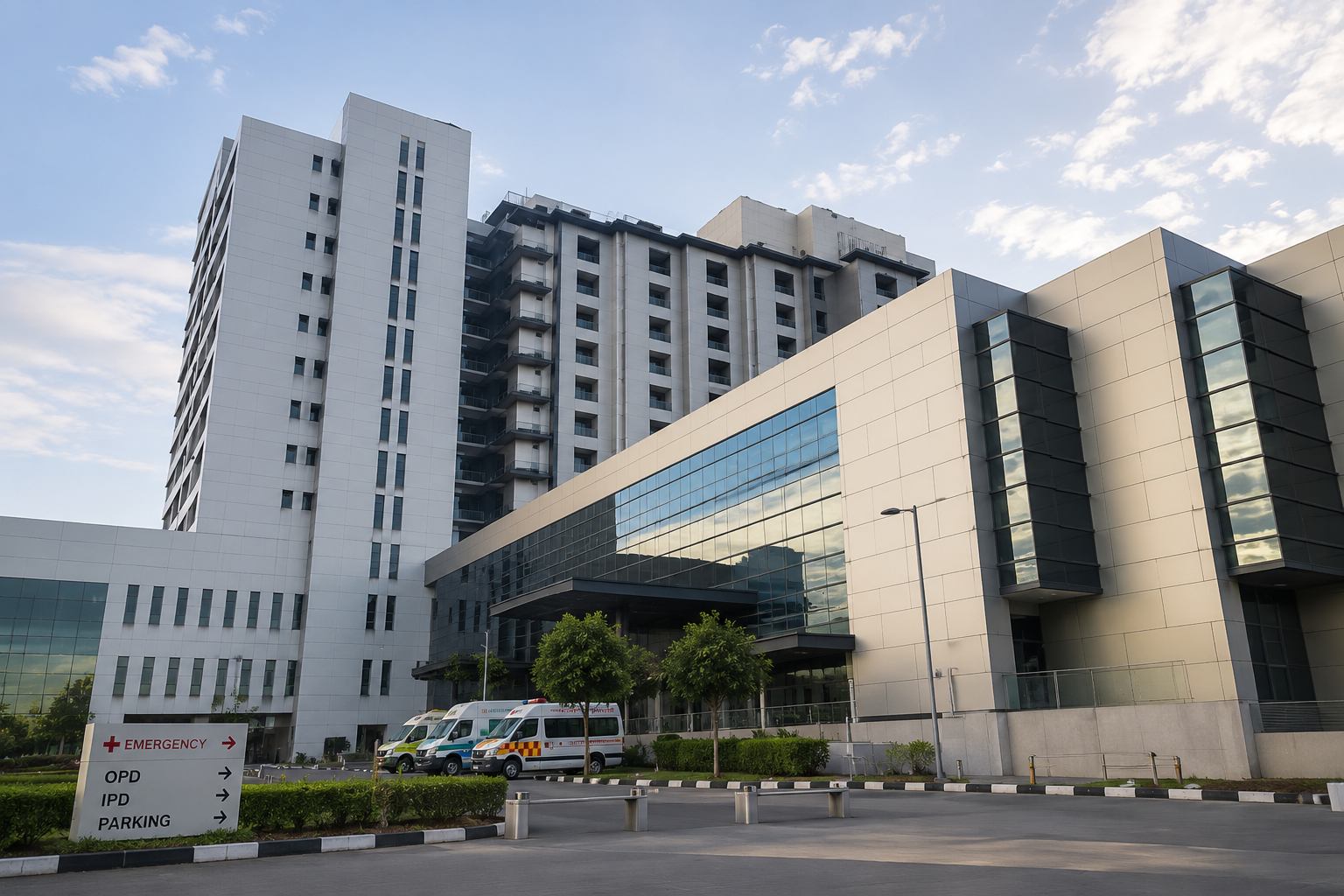
Nursing homes and small hospitals. Often family run, often profitable, and carrying problems a clinic never has.

Single-specialty practices, day-care centres and diagnostics. Dental, eye, dermatology, IVF, dialysis, physiotherapy.
Not everyone needs all four. Some businesses only need the preparation. Some are ready and need the right investor. The first conversation tells you which one you are at.
We fix what stops a good business from being fundable. Structure, books, licences and a defensible valuation. No capital raised yet. This is the groundwork, and it usually takes a few months.
We size the requirement, work out what kind of capital actually suits it, and introduce you to investors who back businesses like yours. Terms are agreed directly between you and them.
We put in capital and do the operational work alongside you over 18 to 24 months. We take a minority stake, and we are repaid from the growth we help create rather than from what you already earn.
We prepare the business for sale, find the right buyer and run the process. Chains, PE platforms, or another doctor. A sale is won or lost in the two or three years before it happens.
A valuation and readiness check on your business. No obligation, and no commitment to raise anything afterwards.
For readiness work and most funding, no. You keep ownership and control. If you take equity or enter a growth partnership you take on a partner, but clinical decisions, patient care and clinical hiring remain yours. We put that in writing rather than leaving it to trust.
No. It is the most common starting point, and it is exactly what the readiness path is for. It does take time to fix properly, and starting earlier is always cheaper than starting late.
Yes, and it is a different conversation from funding an existing business. A new build has no track record, so the structure looks different. What matters most is the clinician behind it, the location, and how quickly patients are likely to follow.
Hospitals up to roughly 100 beds, nursing homes, single-specialty Clinics, day-care centres and diagnostics. Anything materially larger sits with investment banks and we will refer it on rather than pretend.
A fixed fee for readiness work, charged in stages, and a success fee if a transaction closes. In a growth partnership we take equity and put our own capital in. You will know the numbers before you commit to anything.
No. A good deal of the opportunity is outside the metros, where demand is growing fastest and capital is hardest to find. What matters is the quality of the business.
What you are trying to do next, and where you are stuck. We will tell you honestly which path fits, or whether you need us at all.